- Address: Shilin District, Taipei, Taiwan
- Recommended Duration: 3-4 hours
- Timings: 9am to 5pm
- Visitors Per Year: Over 6 million (pre-pandemic average)
- Number of Entrances: 1 main visitor entrance
- Expected Wait Time: 30-60 minutes (peak days)
The National Palace Museum in Taipei houses one of the world’s most important collections of Chinese art, spanning thousands of years. From imperial jade carvings to masterful calligraphy, the museum offers a rare window into China’s cultural legacy.


Delicate jade carvings reveal the skill and symbolism prized by Chinese courts. Look for natural forms transformed into refined artistic expressions.
Ancient ceremonial bronzes showcase early metallurgy, bold patterns, and inscriptions tied to ritual and power.
Scrolls by master calligraphers and painters demonstrate balance, movement, and philosophical depth across dynasties.
From Song elegance to Ming and Qing refinement, these pieces highlight technical mastery and changing artistic tastes.
The museum’s roots trace back to Beijing’s Forbidden City, where imperial collections were housed for centuries. During the early 20th century, political unrest led to the evacuation of many treasures for safekeeping. In 1949, a significant portion of the collection moved to Taiwan.
The National Palace Museum officially opened in Taipei in 1965, providing a permanent home for these artifacts. Over time, the institution expanded its role from preservation to public education, conservation research, and international exhibitions. Today, it stands as one of Asia’s most respected cultural institutions.
The current museum building was designed under the direction of Taiwan’s government, inspired by traditional Chinese palace architecture. Its design reflects classical symmetry while accommodating modern museum needs.
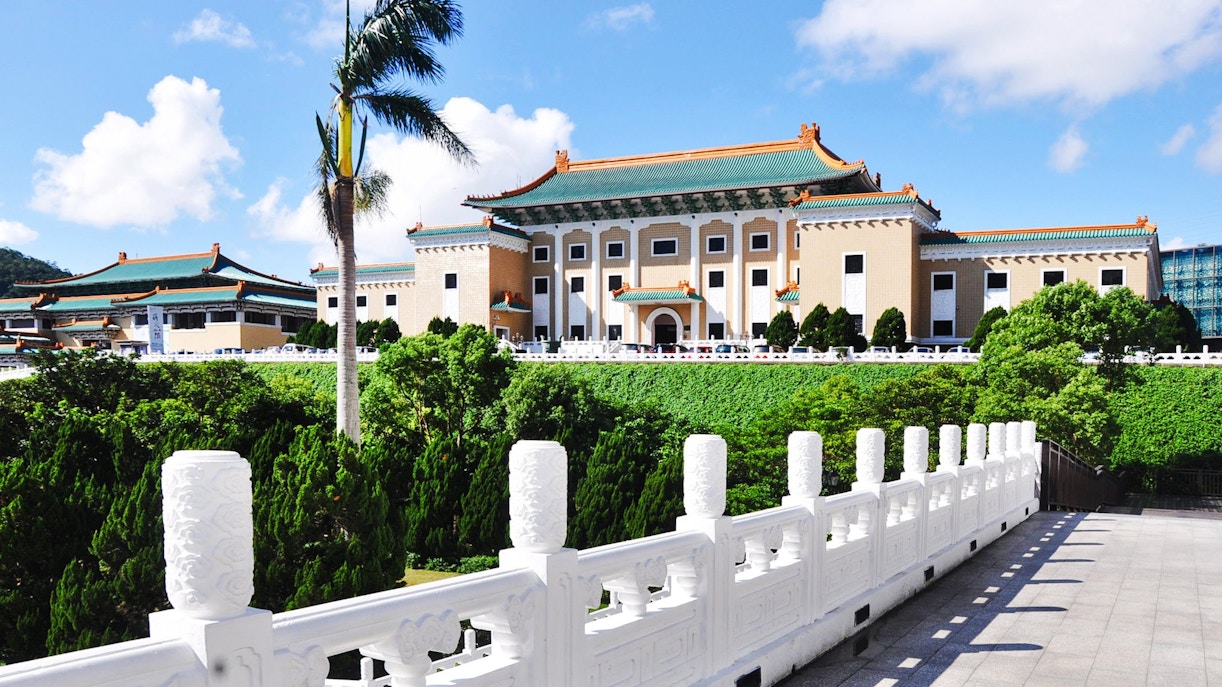
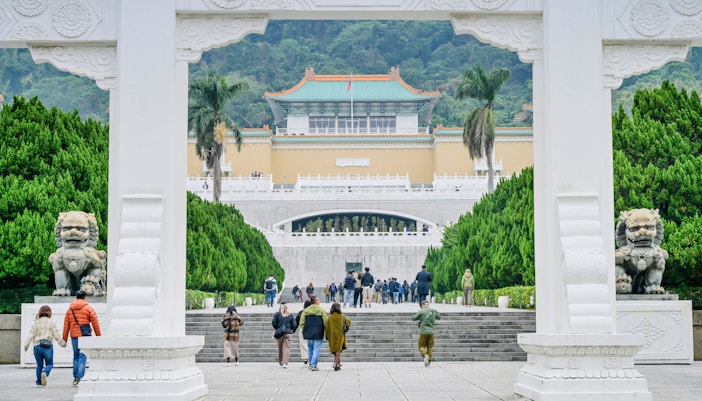
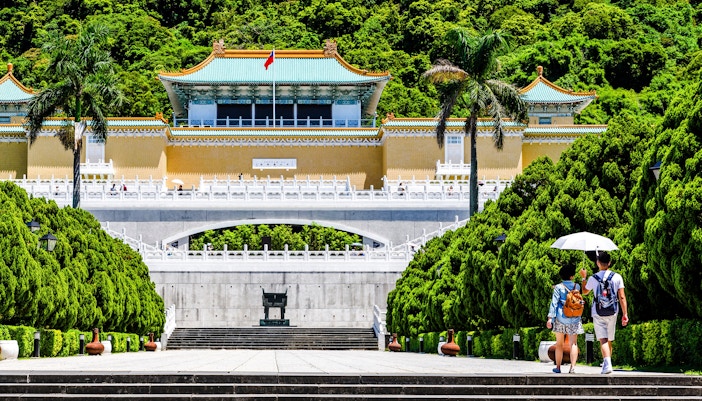
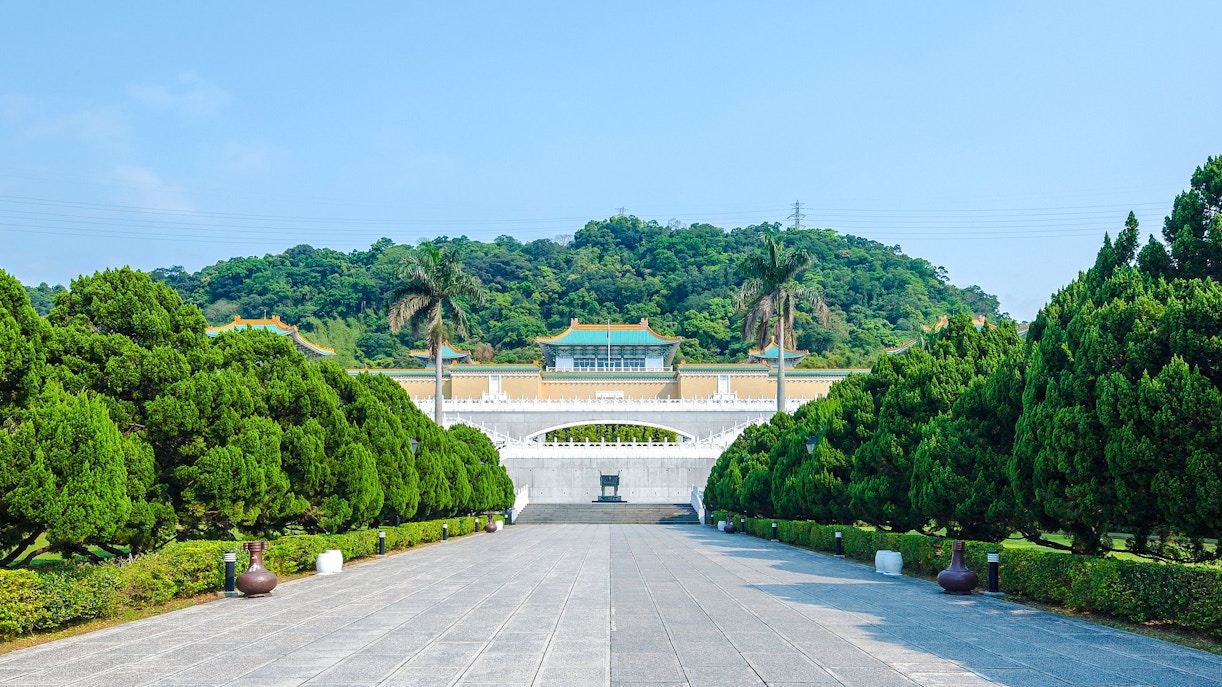
The museum’s architecture draws heavily from traditional Chinese palace design, particularly structures from the Ming and Qing dynasties. The green-tiled roof, white walls, and central axis layout echo imperial aesthetics. Built into a hillside, the structure blends formal symmetry with its natural surroundings.
Large staircases and elevated platforms create a sense of ceremony upon entry, while interior spaces prioritize controlled lighting and climate stability for artifact preservation. The result is a building that feels both monumental and restrained, allowing the collection to remain the focal point.
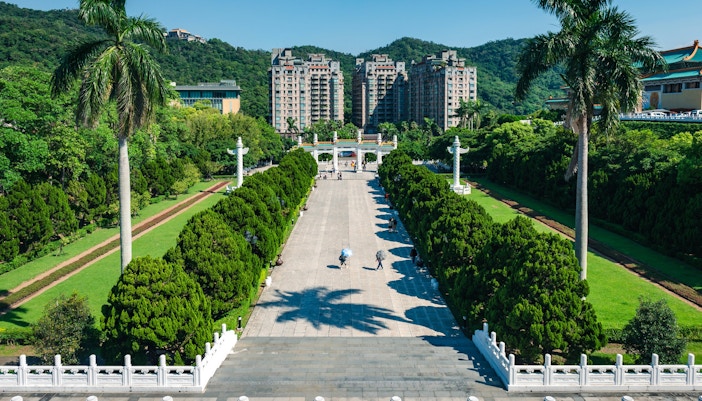
The museum frequently rotates exhibits to protect sensitive artifacts, meaning displays change throughout the year. It also operates a southern branch focused on Asian art and culture. On-site facilities include cafés, gift shops, and nearby garden areas that extend the visitor experience beyond the galleries.
Most visitors spend 3–4 hours exploring the permanent galleries and special exhibitions at a comfortable pace.
The museum generally operates 9am to 5pm daily, though hours can vary on holidays and special exhibition days.
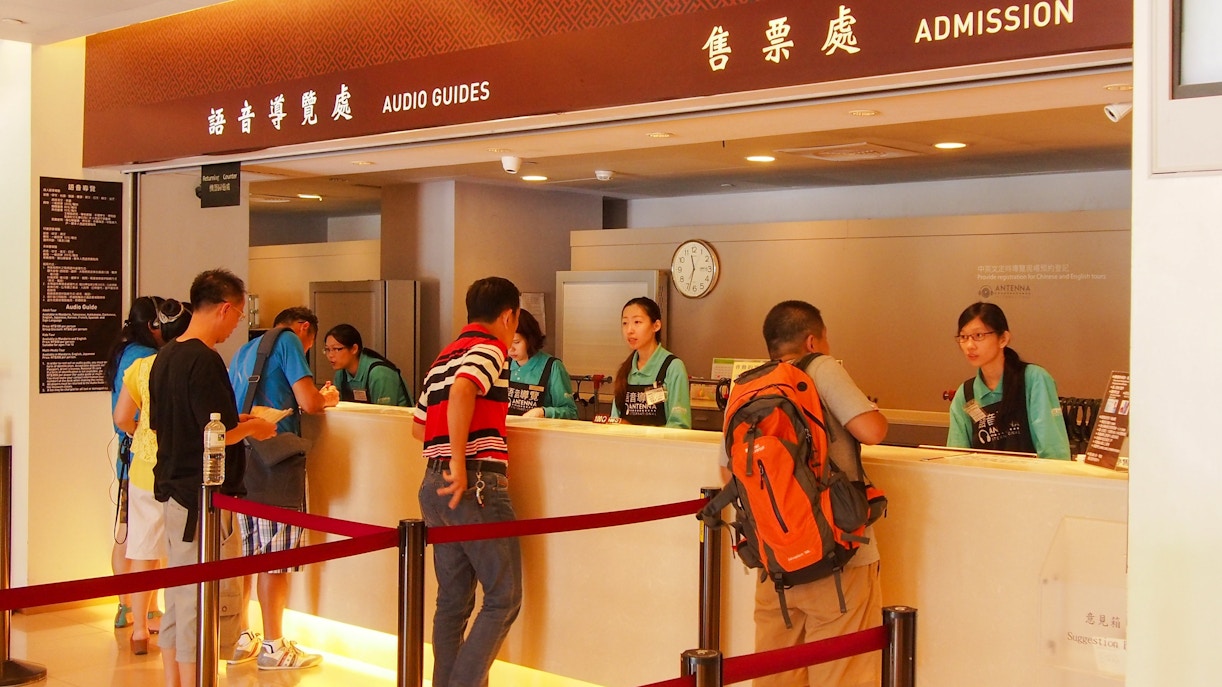
Yes, exhibit labels include English, and audio guides in multiple languages are available for deeper interpretation.
Yes, tickets include access to adjacent outdoor spaces such as Zhishan Garden and Zhide Garden.
Absolutely. Thoughtful layouts, thematic galleries, and optional audio guides make it accessible for all experience levels.
Yes, there are on‑site cafés and dining areas, plus nearby restaurants for a more complete meal before or after your visit.
Yes, elevators, ramps, and accessible restrooms are available. Strollers are permitted, though some galleries can feel narrow at peak times.
On‑site tickets are available, but lines can reach 30–40 minutes during busy periods. Pre‑booking helps you skip the ticket queue.
Yes, guided tours and expert commentary options are offered, helping you understand key works and navigate the collection efficiently.
Photography without flash is permitted in most galleries; flash, tripods, and commercial filming are restricted to protect the artifacts.