- Address: No. 7, Section 5, Xinyi Road, Xinyi District, Taipei 110, Taiwan
- Recommended duration: 1–2 hours
- Timings: 10am – 9pm (last entry 8:15pm)
- Visitors per year: ~2 million visitors
- Number of entrances: 1 main observatory entrance (Level 5)
- Expected wait time (Standard entry): 30–60 minutes during peak hours
- Expected wait time (Fast-track entry): 5–15 minutes
Taipei 101 Observatory
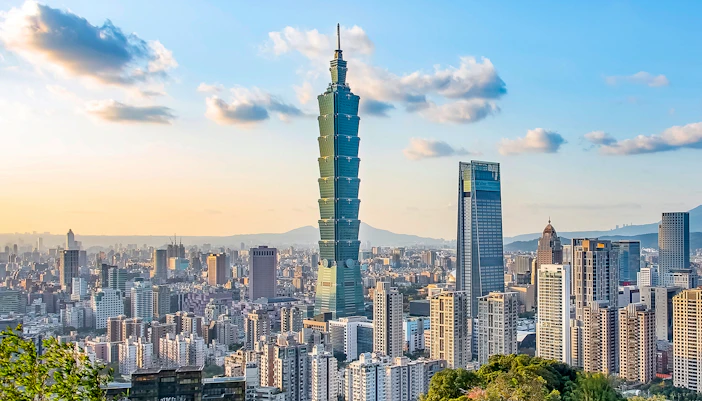
The Taipei 101 Observatory sits high inside Taipei 101, one of the world’s most famous skyscrapers. From its observation decks, visitors enjoy sweeping 360-degree views of Taipei’s skyline, mountains, and the surrounding city. Beyond the views, the tower also showcases impressive engineering, including a massive earthquake-resistant damper and one of the fastest elevators in the world.
Quick information
Why is the Taipei 101 Observatory a must-visit attraction?
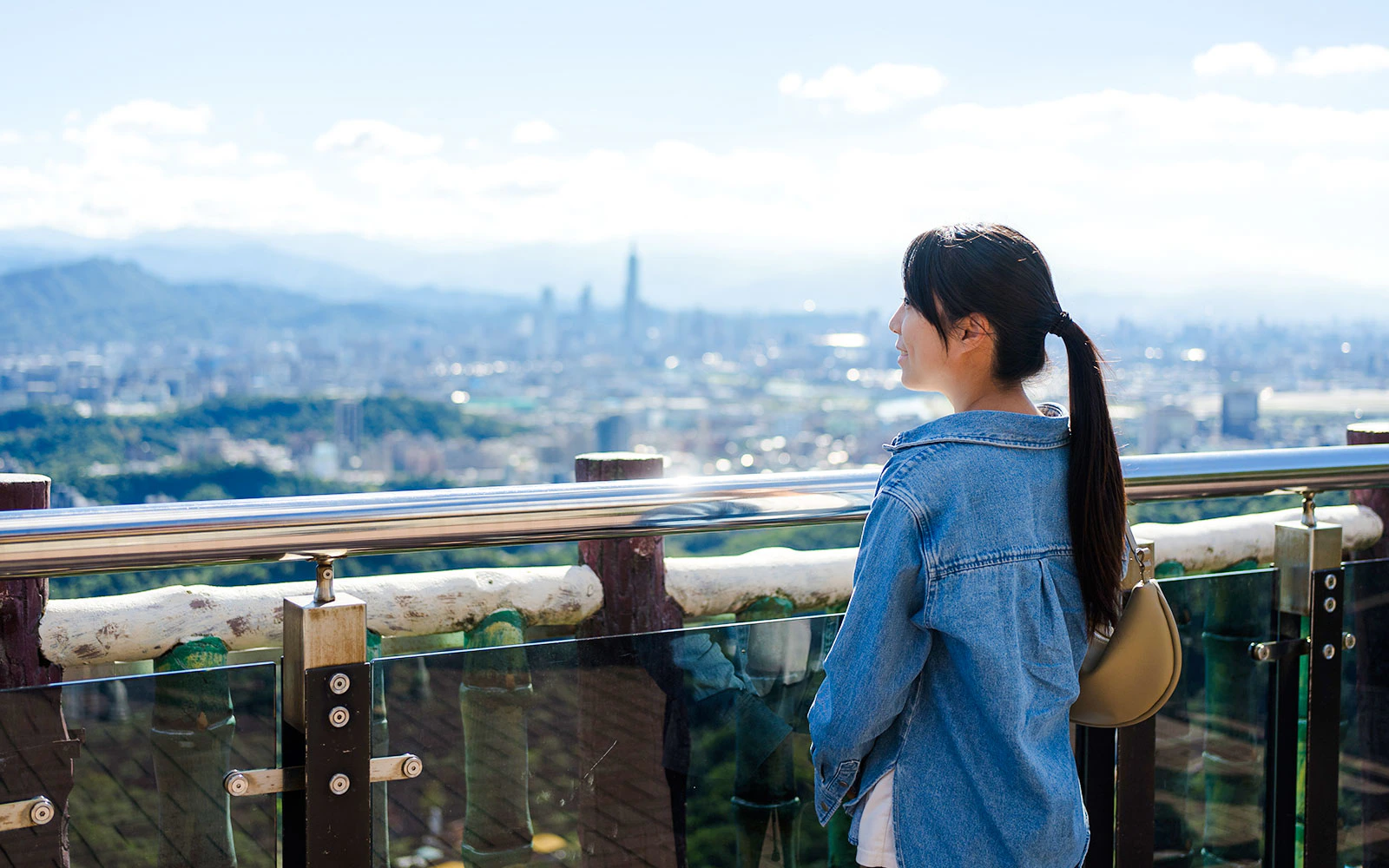
The Taipei 101 Observatory offers one of the best views in Taiwan, rising nearly 500 meters above the city. From the observation decks, visitors can enjoy sweeping panoramas of Taipei’s skyline, nearby mountains, and landmarks like Sun Yat-sen Memorial Hall and Elephant Mountain.
Inside, interactive exhibits explain how Taipei 101 withstands typhoons and earthquakes. A major highlight is the giant tuned mass damper—a massive steel sphere that stabilizes the tower during strong winds and seismic activity.
For a more thrilling experience, the Skyline 460 outdoor deck lets visitors step onto an open-air platform with safety harnesses and guided supervision. Located in Taipei’s vibrant Xinyi District, the observatory also sits near the top shopping, dining, and entertainment spots.
Whether you visit during the day or after dark when the city lights glow below, the observatory offers an unforgettable view of Taipei.
What to see at the Taipei 101 Observatory
1/5
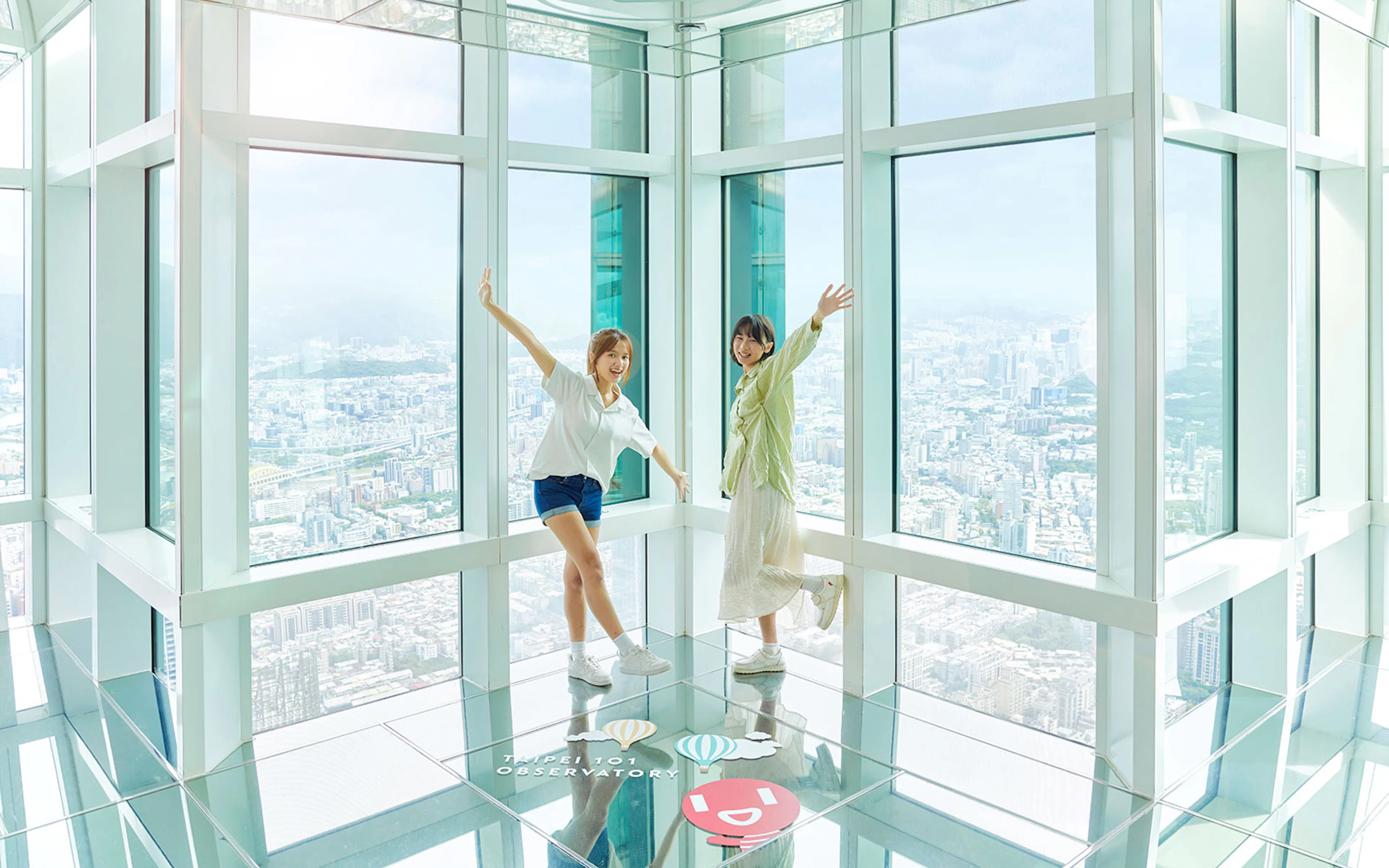
Indoor Observatory (88th and 89th floors)
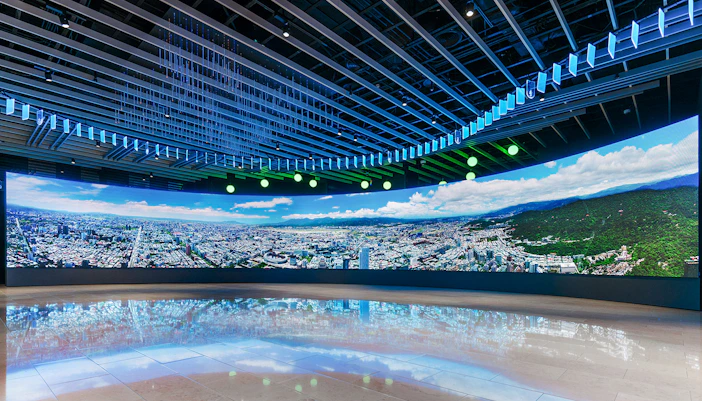
The main observation decks offer 360-degree views of Taipei through floor-to-ceiling windows. Displays help visitors spot landmarks across the city and surrounding mountains.
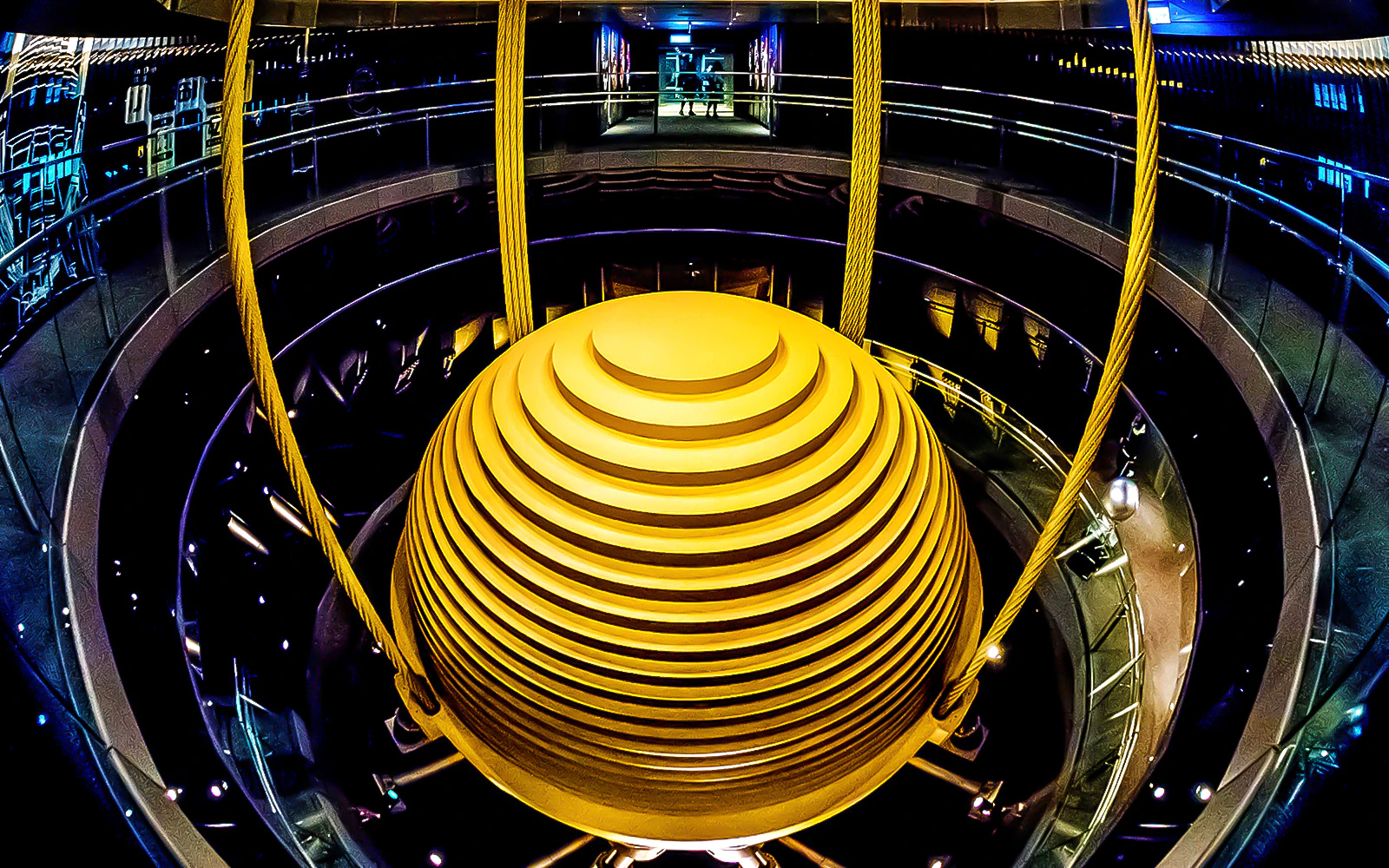
Taipei 101 Tuned Mass Damper
Located between the 88th and 89th floors, this 660-ton golden sphere stabilizes the building during earthquakes and typhoons.
Skyline 460 Outdoor Deck
This open-air platform sits about 460 meters above ground. With safety harnesses, visitors can step outside for unobstructed city views.
High-speed elevator experience
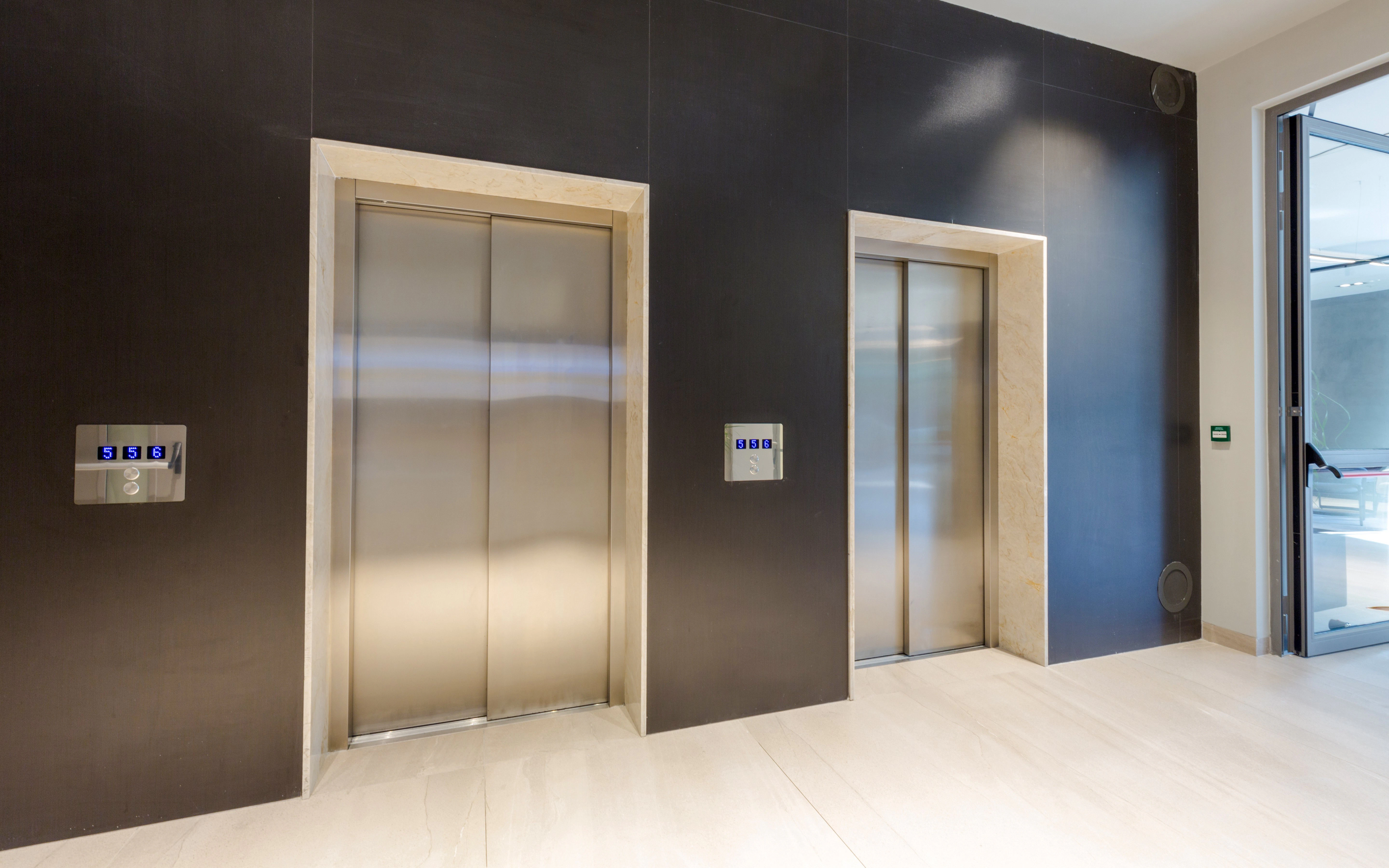
The elevator ride itself is memorable, reaching the observatory in about 40 seconds while maintaining comfortable cabin pressure.
Taipei 101 Mall
At the base of the tower, the mall offers luxury shops, restaurants, and cafés, making it an easy stop before or after the observatory.
Highlights of Taipei 101 Observatory
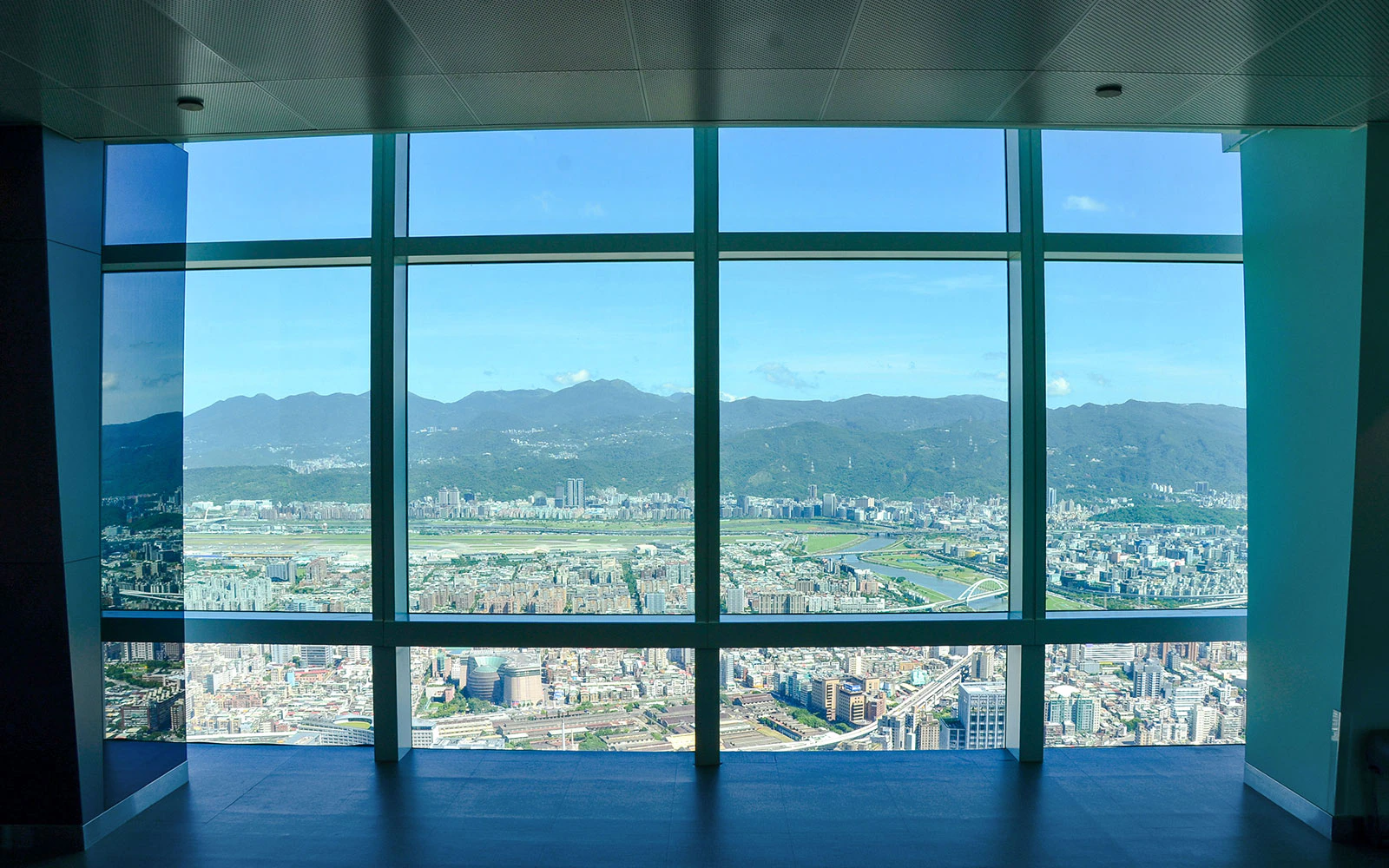
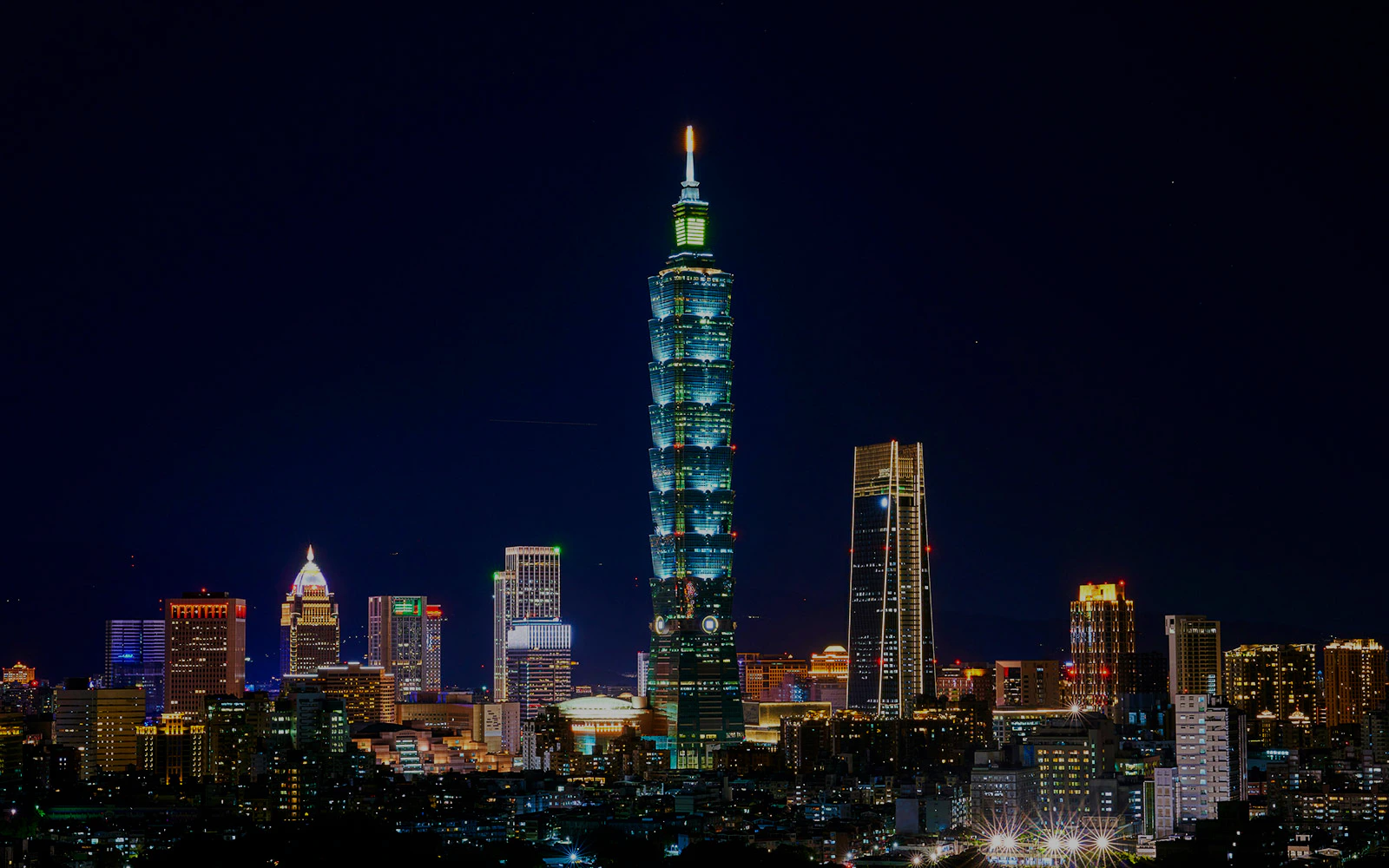
360° skyline views of Taipei
From the indoor observation deck, enjoy sweeping panoramic views of the city, surrounding mountains, and major landmarks across Taipei.
Brief history of Taipei 101
Construction of Taipei 101 began in 1999 and the tower officially opened to the public on December 31, 2004. The project aimed to showcase Taiwan’s economic growth and modern engineering capabilities.
When it opened, Taipei 101 became the tallest building in the world, standing at 508 meters (1,667 feet). It held this title until 2010, when the Burj Khalifa in Dubai surpassed it.
The tower quickly became a symbol of Taipei and Taiwan’s global identity. Its annual New Year’s Eve fireworks display draws international attention, with thousands gathering around the city to watch the spectacular show launched from the skyscraper.
Today, Taipei 101 remains one of the most recognizable landmarks in Asia and continues to attract millions of visitors each year.
Who built Taipei 101?
Taipei 101 was designed by C.Y. Lee & Partners, a Taiwanese architectural firm led by architect C. Y. Lee. The design blends modern engineering with traditional Asian symbolism. Lee’s vision was to create a skyscraper that reflects Taiwanese culture while standing strong against the region’s earthquakes and typhoons.
Architecture of Taipei 101
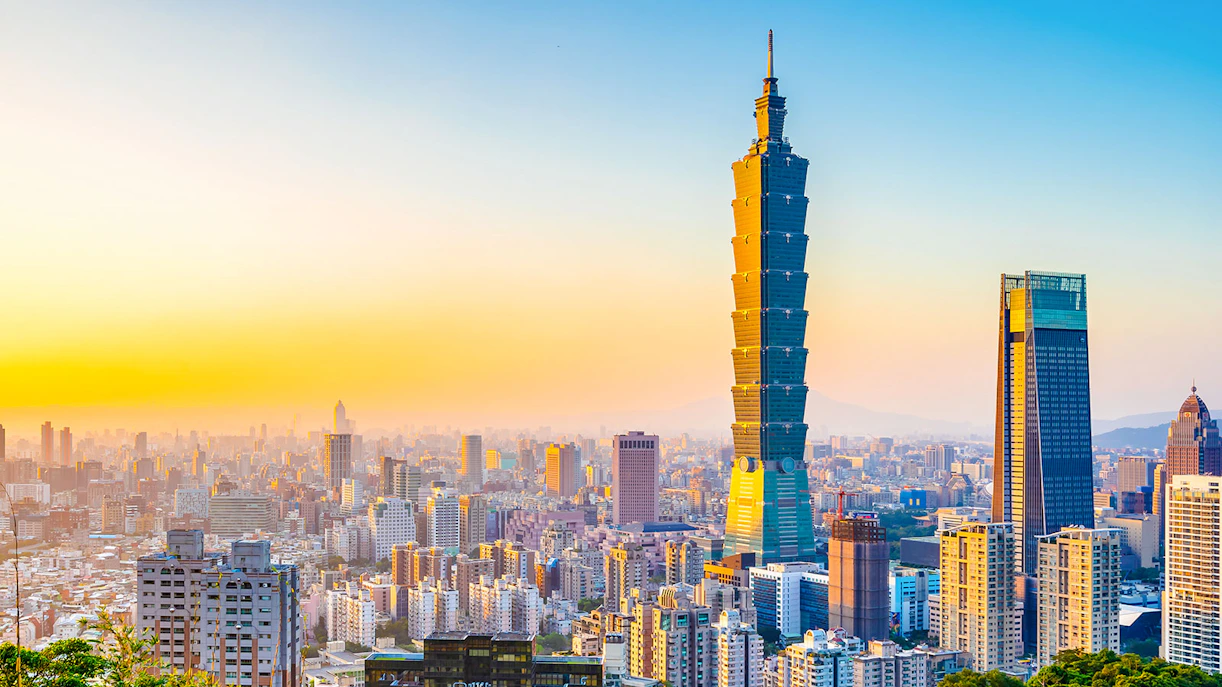
Taipei 101 blends modern engineering with symbolism from traditional Chinese architecture. Rising 508 meters with 101 floors, the tower’s name reflects its height and structure.
Architect C. Y. Lee designed the building as eight stacked segments resembling a pagoda. The number eight symbolizes prosperity in Chinese culture, giving the tower cultural significance.
Built in an earthquake- and typhoon-prone region, the structure includes flexible engineering that allows it to sway safely during strong winds. A key feature is the 660-ton tuned mass damper—a giant steel sphere that stabilizes the tower during seismic activity.
The glass-and-steel façade reflects Taipei’s modern skyline while preserving traditional Asian design elements.
Additional information about Taipei 101 Observatory
Taipei 101 continues to play an important role in Taiwan’s tourism and cultural identity. The tower frequently hosts international events, seasonal exhibitions, and large-scale celebrations.
One of the most famous events is the Taipei 101 New Year’s Eve fireworks show, widely considered one of the world’s most spectacular skyscraper fireworks displays. Every year, thousands of people gather in the surrounding districts and nearby viewpoints to watch the celebration.
The building is also known for its sustainability achievements. Taipei 101 became one of the tallest buildings in the world to receive LEED Platinum certification, recognizing its energy efficiency and environmental design improvements.
Frequently asked questions about Taipei 101 Observatory
The Taipei 101 Observatory is the public viewing area inside Taipei 101. The main decks sit on the 88th and 89th floors and offer wide views of the city, along with exhibits about the tower’s engineering and design.
Taipei 101 rises 508 meters (1,667 feet) with 101 floors above ground. When it opened in 2004, it held the title of the world’s tallest building until it was surpassed by Burj Khalifa in 2010.
Most standard tickets include access to the 88th-floor exhibits and the 89th-floor indoor observation deck. Some experiences also allow entry to the outdoor deck or additional levels, depending on the ticket type.
Most visitors spend about 1 to 2 hours at the observatory. This gives enough time to enjoy the views, see the tuned mass damper, explore exhibits, and take photos from different areas.
Yes. Visitors can book the Skyline 460 experience, which allows access to an outdoor observation platform around 460 meters above ground with safety harnesses and guided supervision.
Yes. Evening visits are popular because the city lights up after sunset. From the observatory, you can see Taipei’s skyline and surrounding districts illuminated at night.
Early morning and late evening usually have smaller crowds. Sunset is the most popular time because you can see Taipei in daylight and watch the city lights come on afterward.
Yes. The tower sits in the lively Xinyi District and is directly connected to Taipei 101–World Trade Center Station on the Red Line, making it easy to reach from most parts of the city.